Trials of Terminology

I can tell if a job is doomed by a single question: how many names has this project had?
As a creative consultant, I will often ask this question multiple times, to numerous internal and external stakeholders. I will often receive wildly different answers if a project is in danger. Usually, the project with a thousand names will have a history beyond those in the room, as team members tell ghost stories of contributors long gone.
No project can successfully outrun the blackhole of naming ambiguity, even given an infinite amount of money, time, or clever people.
The Name Game
Names have power. Clarity is the foundation for iteration, learning, and progress.
While it sounds obvious, the most alarming bit is that these groups are often completely unaware of their disconnect.
Without consistent communication, projects backslide into islands of movement, continually rediscovering (and often then burying) tremendous insights.
Their miscommunication is woven into their assumptions. All participants believe their view of the initiative is the correct perspective. No one is willing to stop and define the essential elements in detail, not realizing a brief pause would accelerate their progress.
Choose Your Own Adventure? Interactive Fiction? Ergodic Literature? Gamebook?
Congratulations!
You have created a wildly successful series of young adult novels.
For more than a decade your creations top the sales charts, catapulting your brand to global fame (and making you exquisitely wealthy). It feels good to finally achieve your rightful acclaim!
But it's not enough. You want more and simply cannot stop yourself from saturating the market with endless books of often questionable quality. Readers, once so excited by your brand, find a genre of infinite posibility boringly predictable.
And worst of all: your name is across the front cover of every one.
Twenty years pass. You haven't written in ages. The once great series that was to change the literary world has died a quiet death.
Genre Over
What an absolute shame, right?
I believe there may be a monkey's paw curse on anyone attempting to name this medium. Like the creative projects I encounter, this genre has a half dozen names, pockets of progress/destruction, and the desire to keep running, despite all signs pointing to confusion amongst readers and authors on core definitions of the basics.
The next few posts will be me trying my best to slow down and examine where we genuinely stand today.
Choose Your Own Adventure (CYOA) –
While a clear and engaging genre name, being a trademarked brand owned by a company destroyed the ability for outside authors to use this mark. Creators were forced to build look-a-like brands which only added to the market confusion. Which-Way? Twist-a-plot?
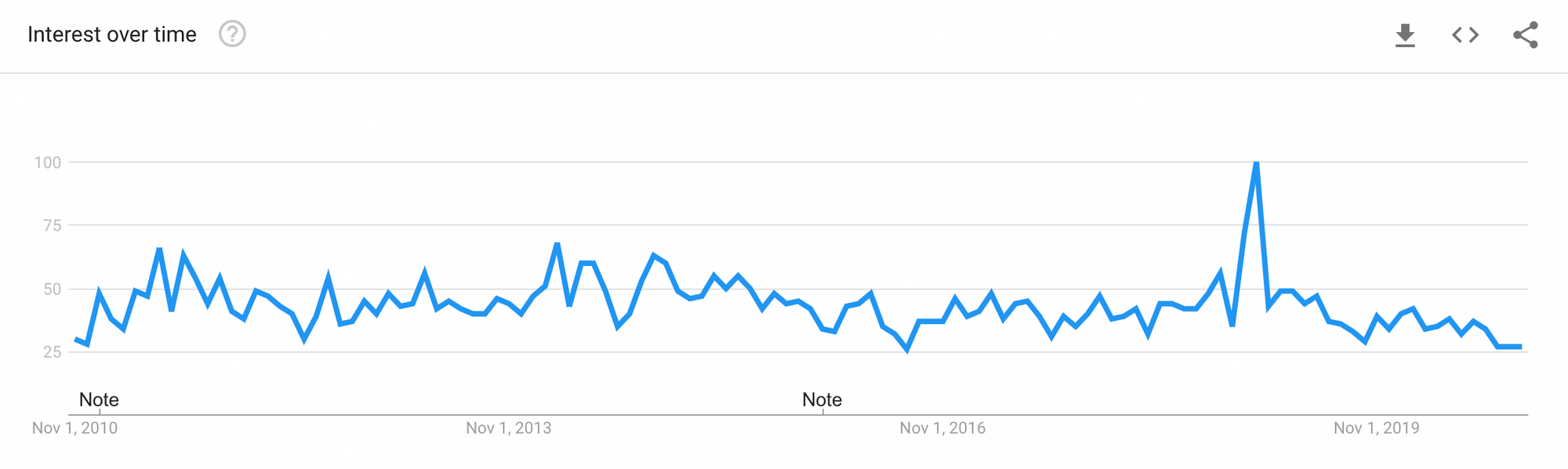
Keyword Usage: According to the data, CYOA has lost a tiny bit of steam in the past decade, but what hasn't. Have you seen this decade?
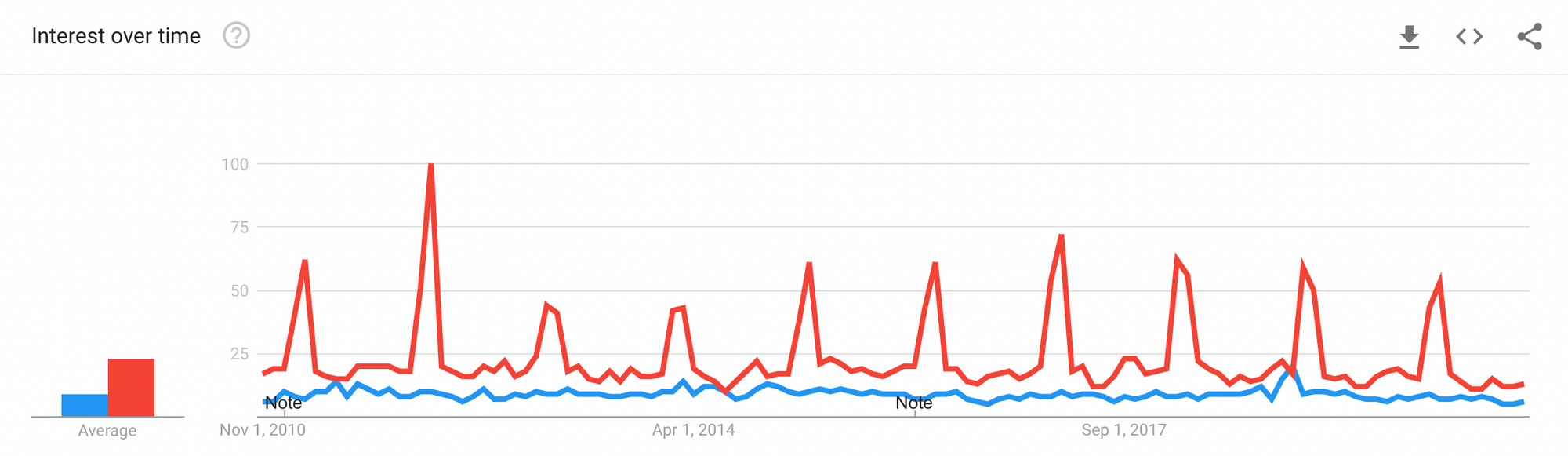
Dr. Seuss Comparison: Keyword data makes little sense without context, so here is a comparison of people searching for Dr. Suess (in red). CYOA holds solid against this famous author.
Book Usage: Choose Your Own Adventure is more popular than ever when we search within books. So authors are referring to it directly.
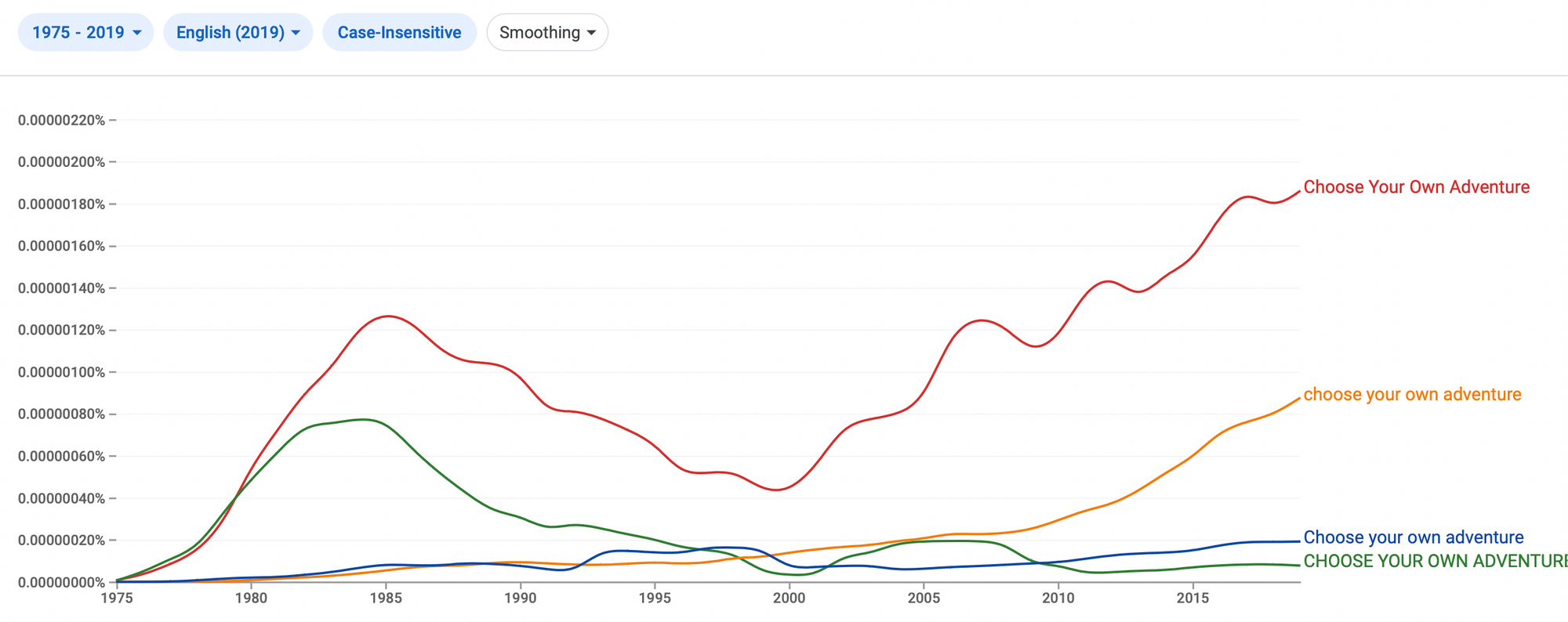
Overall, CYOA is dropping in search relevance but holds its own in search volume and book usage. The data paints a somewhat rosy picture for this phrase.
Monkey's Paw Curse: As Choose Your Own Adventure crashed, so did the ability for a competent party to save this name from anything other than the pop culture bargain bins.
Fun Fact: ChooseCo (the current owner of CYOA) successfully sued Netflix for using their trademark in the interactive film Bandersnatch. While the press ate up the lawsuit announcement, the case was privately settled for an undisclosed fee in November 2020. Sadly, they probably made more from this lawsuit than from publishing their titles.
Interactive Fiction (IF) –
Should you be searching for one term that screams of the 1990's optimism of the cybertextual nature of the world wide web, it would be interactive fiction. While it has ebbed and flowed in popularity with time, the high-brow, linguistic-friendly naming convention has its own challenges.
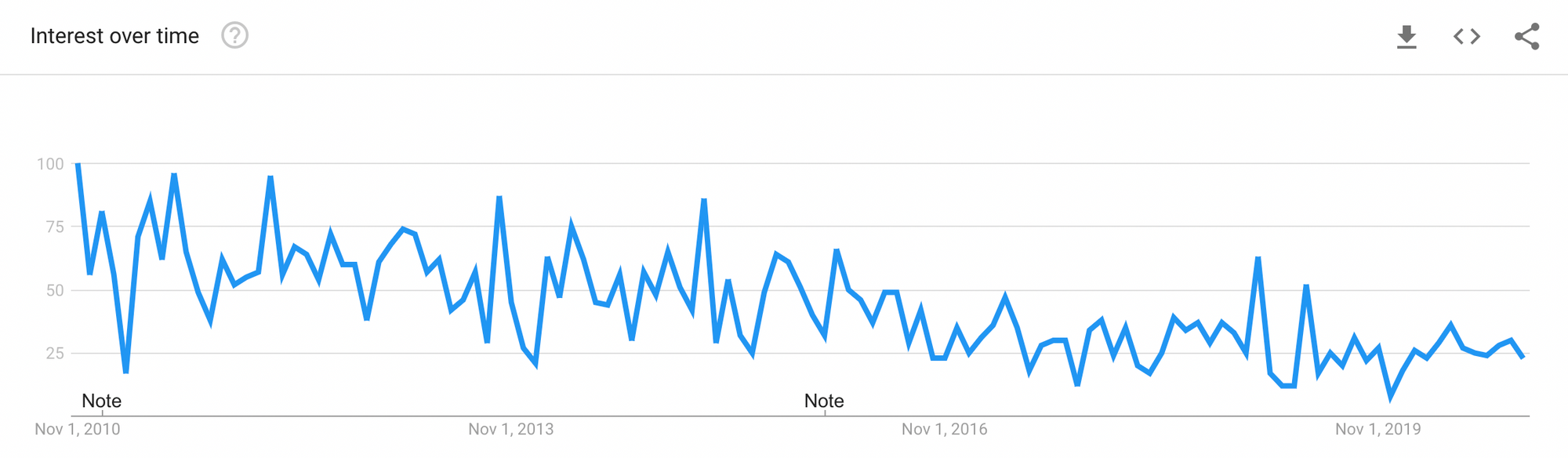
Keyword Usage: Losing 70% of your search volume is bad. Having that occur in the ten years everyone started carrying portable computers in their pockets must have taken real effort.
Dr. Seuss Comparison: IF appears on the chart, so it could be worse right?
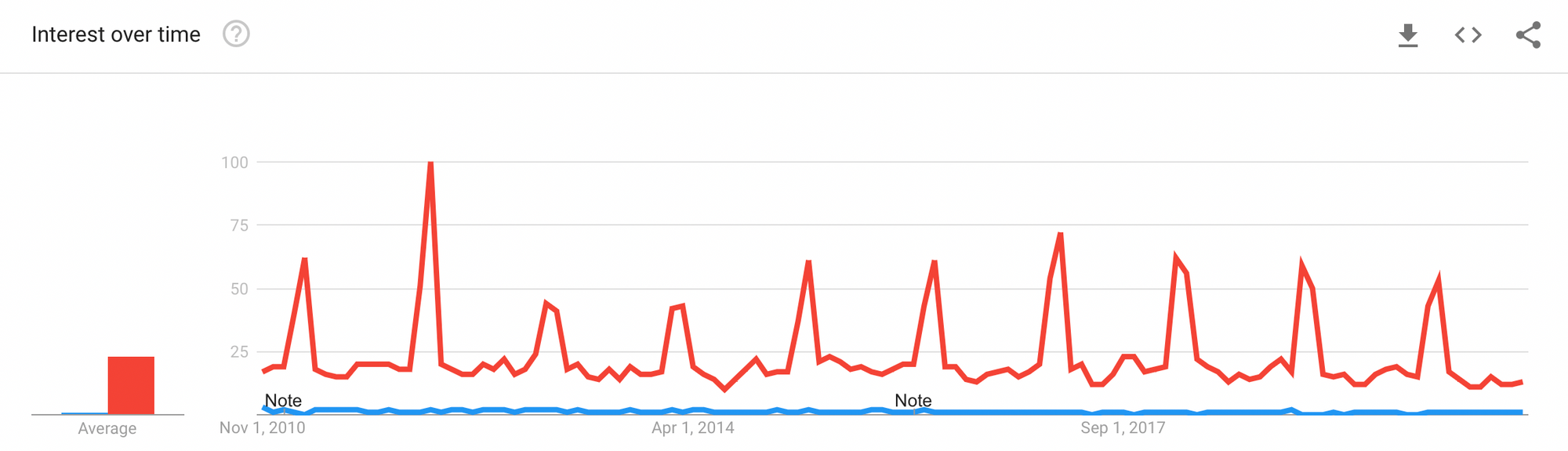
Book Usage: People aren't searching for IF very often and less by each year. But most worrying is that writers aren't mentioning the term. That percentage is dropping to near year 2000 levels, showing it slipping from the glossary of ordinary human people. This is the opposite of good.
Overall, low search volume and dropping usage in digital and print means this term appears to be heading for the graveyard.
Monkey's Paw Curse: IF is most well known for computer text adventures. While this elegant name could be a contender, the IF community has laid rightful claim. It would be difficult, if not impossible, to use this broad term in any way that didn't cause as many challenges as it solved.
Branching-Path –
Branching path sounds clever at first, but with each taste grows more bitter.
Can you imagine a world that named everything so dryly? You'd wake up on your lay-sleep, before you ate your morning-nutrient, all so you could make it through one more bloody work-day. Hmm.
Keyword Usage: It got worse.
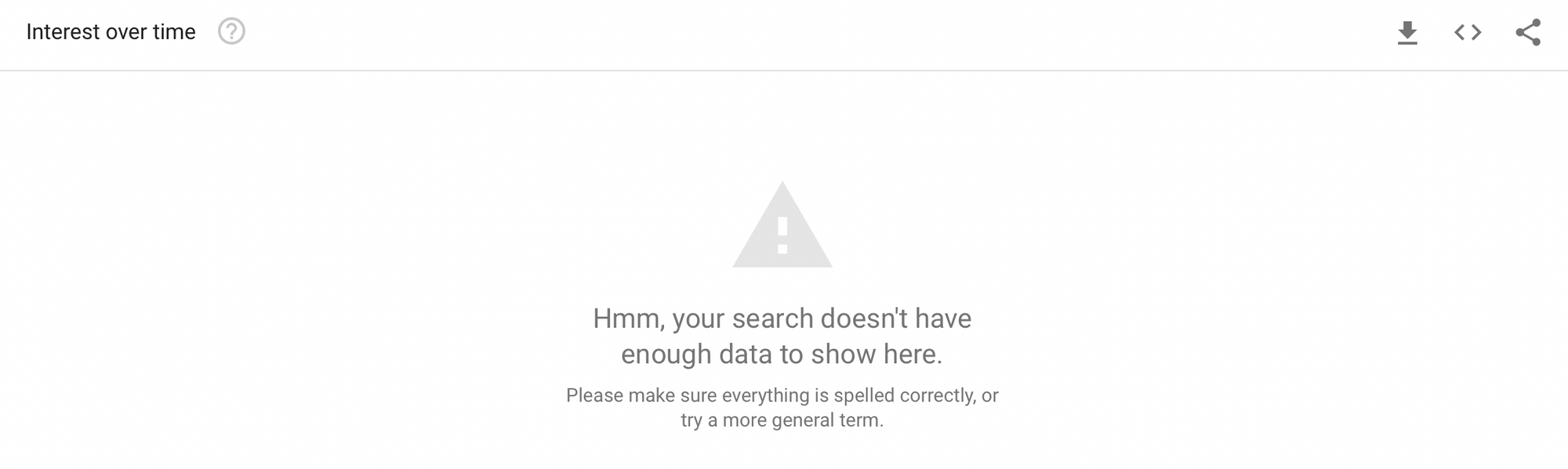
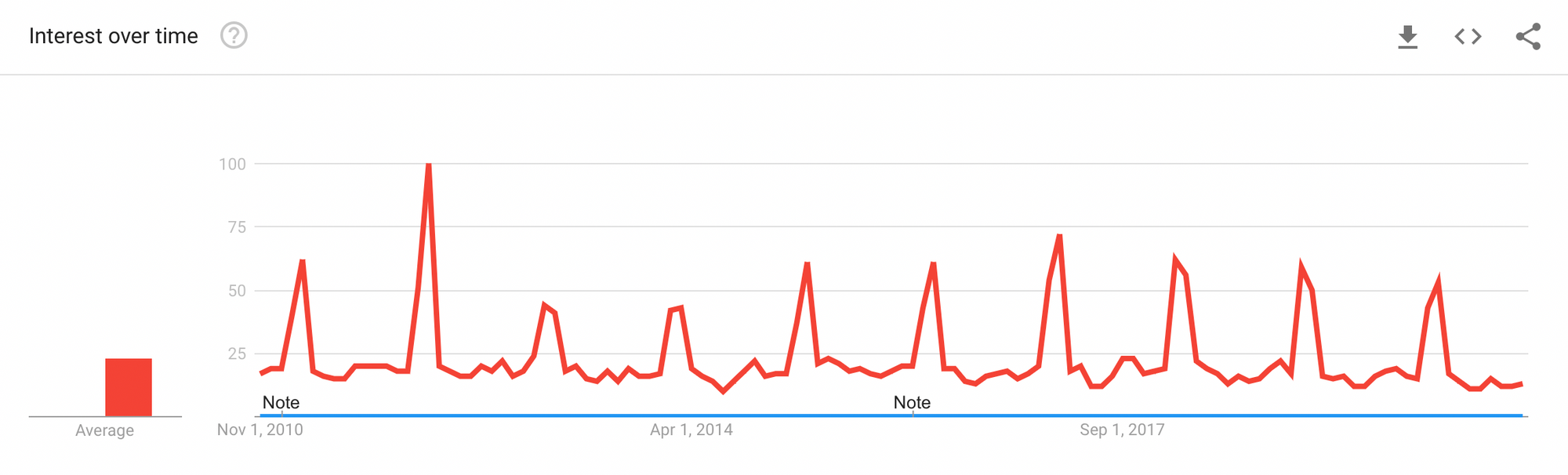
Dr. Seuss Comparison: Ouch.
Book Usage: I think I broke it.
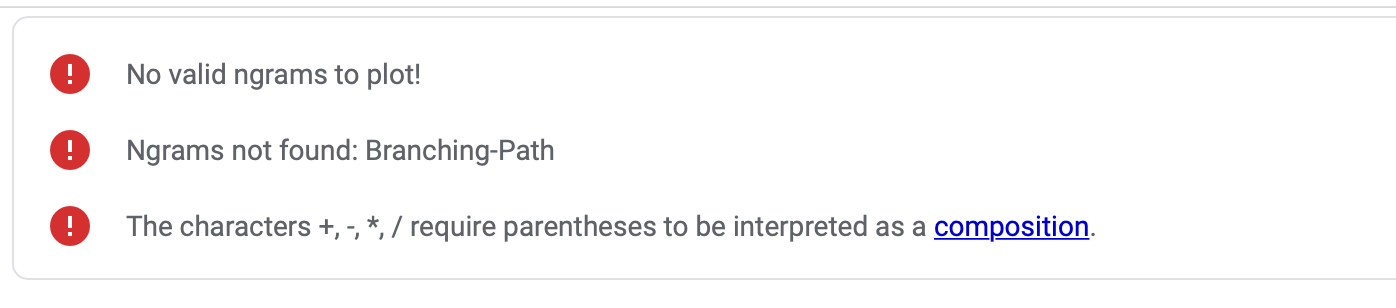
Overall, nobody uses this term and I feel shame for wasting our time looking into it. This must be a fraction of the shame that the creator felt when this phrase passed their lips to infect the world.
Monkey's Paw Curse: Ignoring that no one on Earth really uses this term, I don't want to live in a world where the infinite possibilities of a genre are reducing to left path or right path. It is reductive to the atomic level.
Fun Fact: Robert Frost wrote his most famous poem "The Road Not Taken" mocking his friend, who in adorable sincerity, took this piece seriously and applauded his creation. After several attempts to convince his pen pal it was a joke, Frost gave up and let people publish the damn thing. I'm 100% convinced this occurred with Branching-Path, too.
Ergodic Literature –
Did someone say Cybertext? Why ergodic fiction is so cybertext it was born in the book that coined that very name. BOOM. How ergodic of it!
Ergo means work, so this is a fancy way of saying that it takes effort to make meaning out of. Simply reading left to right is bullshit and ergodic fiction is the Facebook uncle of the pack, unwilling to just let that slide. #sheeple
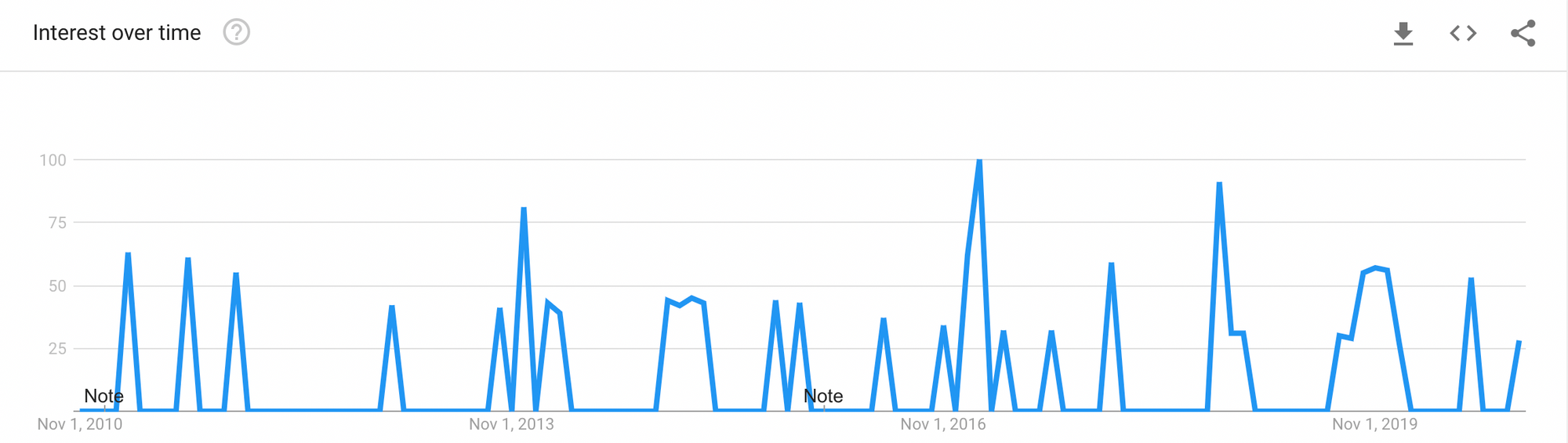
Keyword Usage: This chart is Morse Code for 'HELP ME". It takes some work to figure that out.
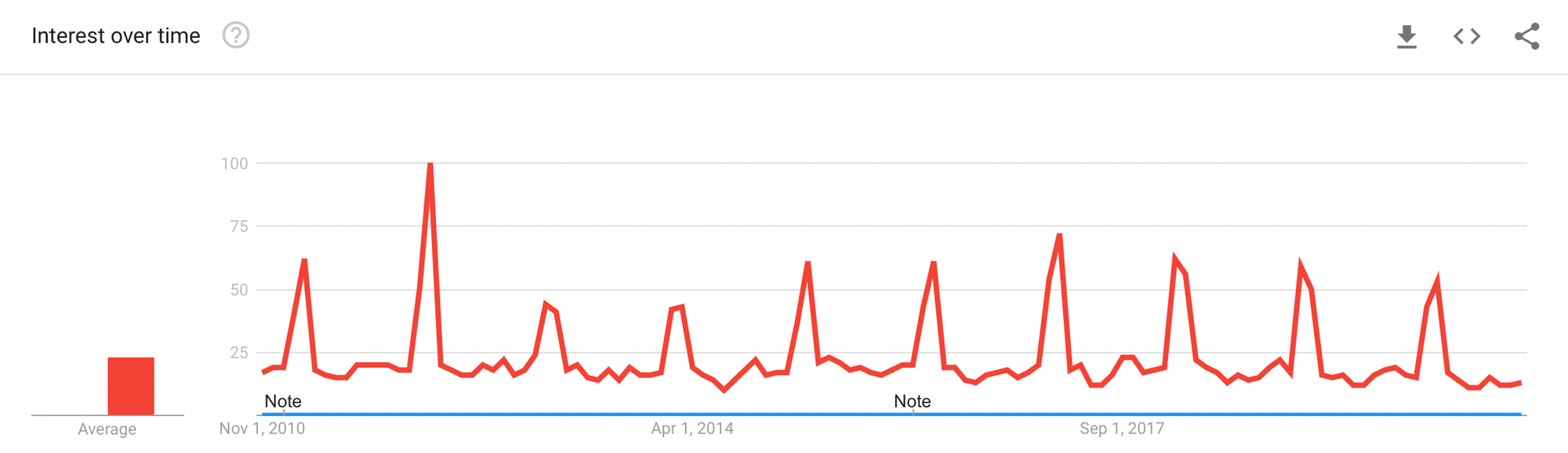
Dr. Seuss Comparison: Branching-Path levels of failure here.
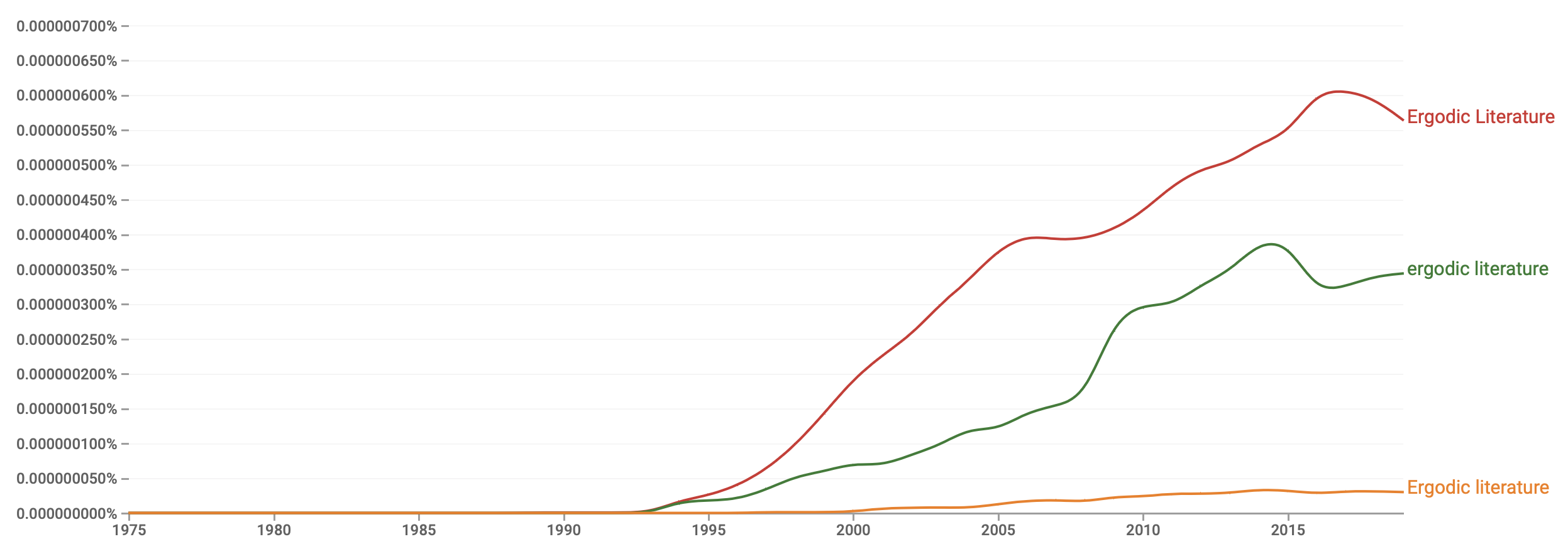
Book Usage: Overall, this term is still in use and seeing some relative growth across the past decade.
Gamebook –
The term gamebook looks to have been coined in the 1970's to describe the interactive nature of multiple titles. Most notably applied to CYOA in the US and Fighting Fantasy in the UK, gamebooks are likely the most well-known name that won't get one sued.
Keyword Usage: Here we have another 70% drop in usage. 👍
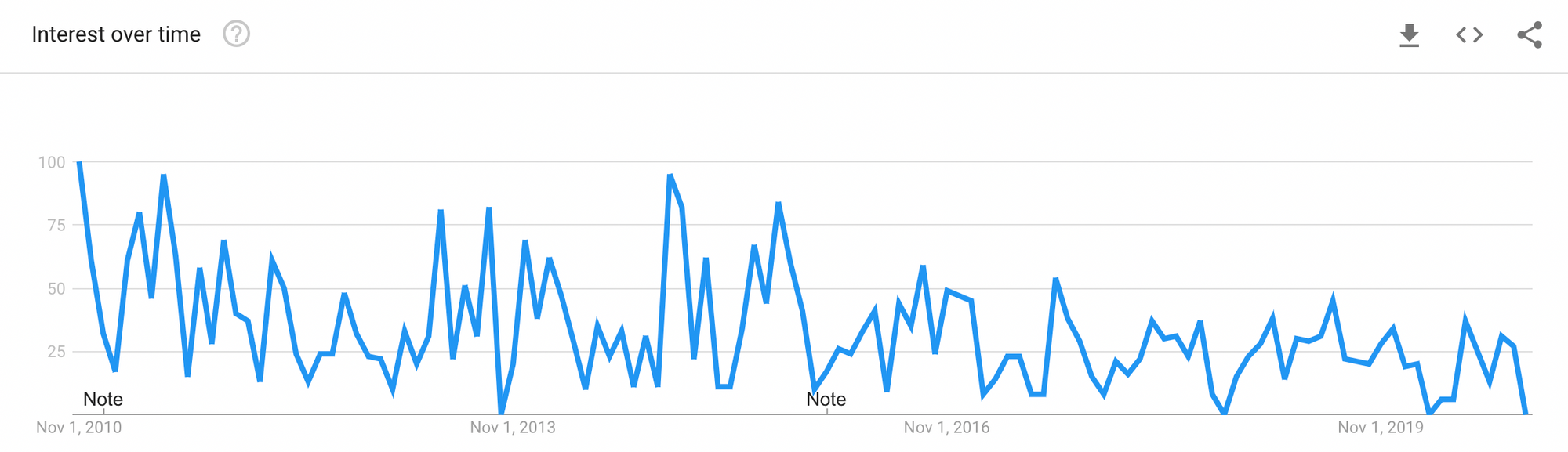
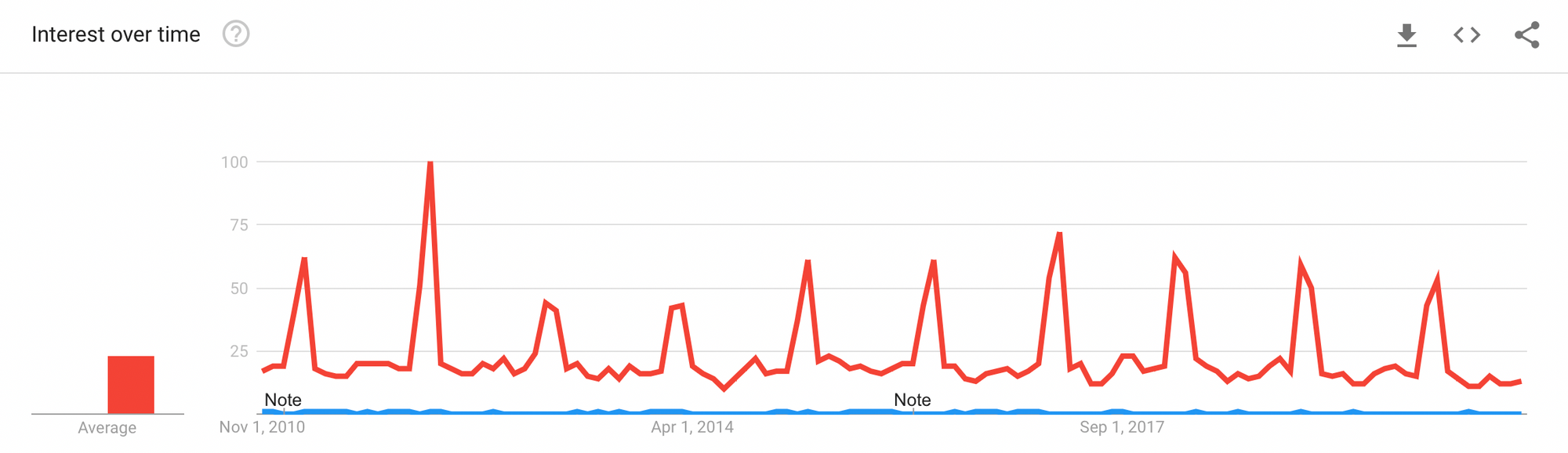
Dr. Seuss Comparison: Slight charting, but barely.
Book Usage: For the dramatic finish, every book usage chart we've explored has (at worst) had a slight dip. Gamebook has completely tanked. With drops of 60% in two capitalizations, this is broadly not being used as often as you might expect. And that drop isn't from the 80's, it is from usage in the early 00's.
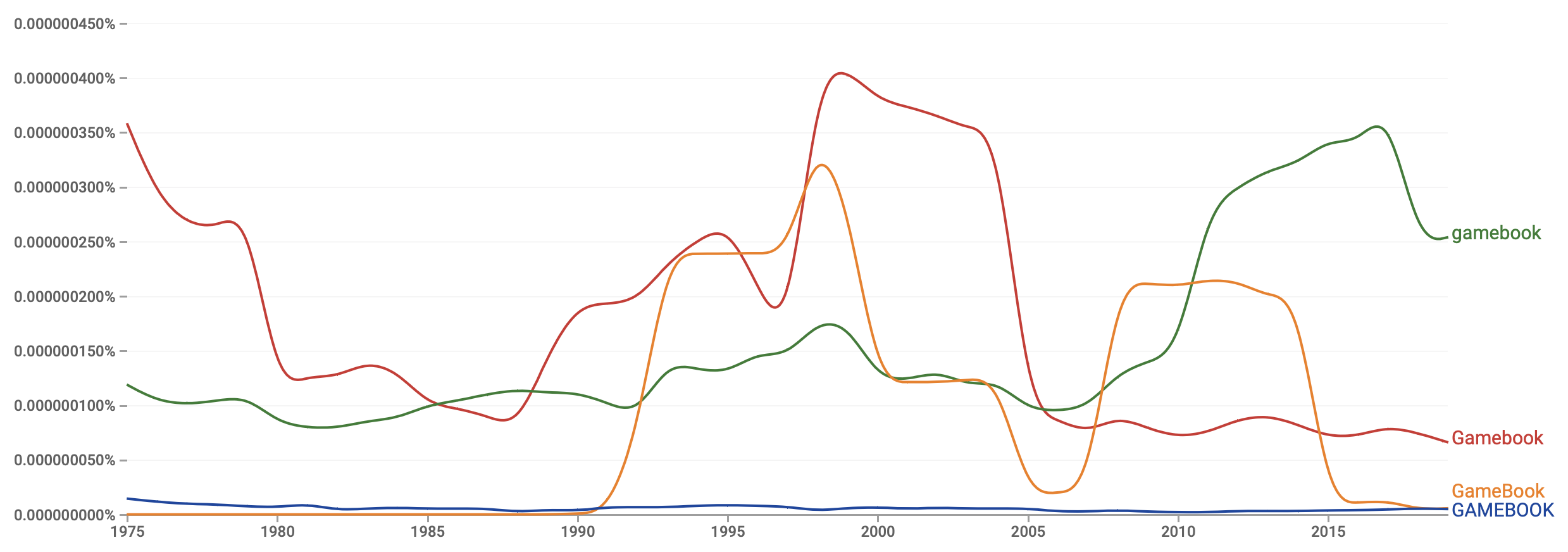
Overall, gamebook searches are low, they're decreasing in popularity, and they are dropping dramatically from book usage.
Monkey's Paw Curse: Well, honestly...there doesn't seem to be one.
Fun fact: Gotcha! You thought I'd let you have a positive option in here? Ha, no way!
Ignoring the plummeting charts above, 'gamebook' was privately registered as a service mark in 2015. This seems uneventful until you remember what happened with CYOA.
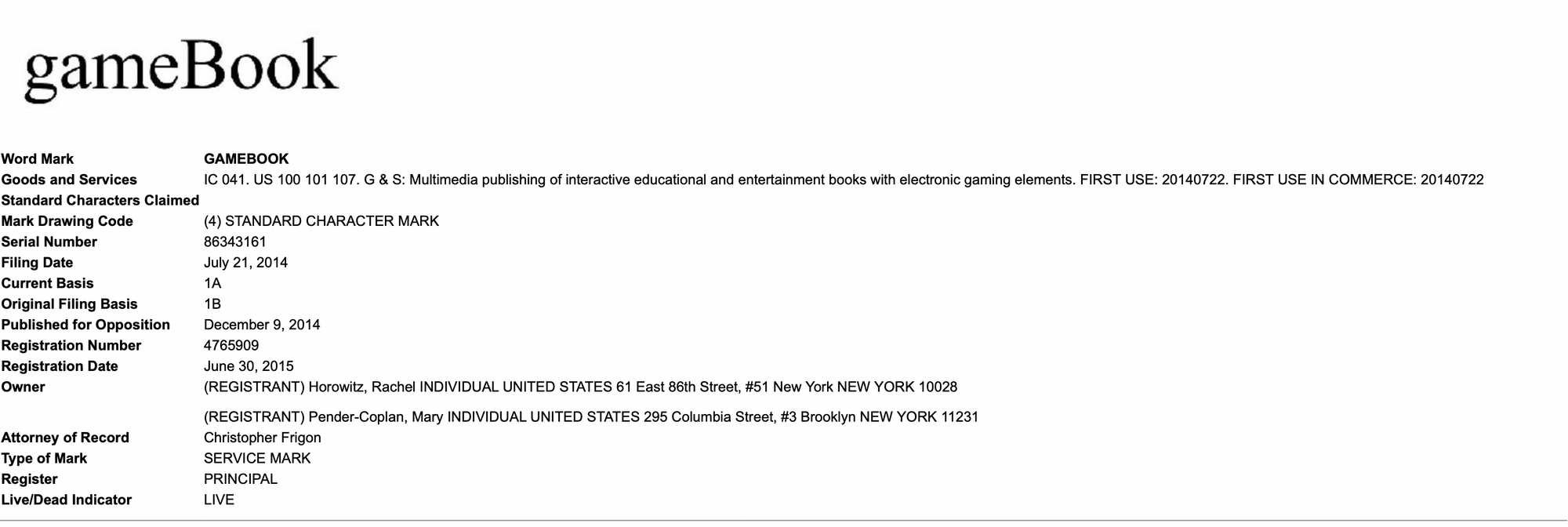
Should someone see success from branding their authorial work as a gamebook, then this service mark will most likely be used to sue. But keep in mind: that's only probably to help fix up the service mark holder's $2M apartment one block away from Central Park, because have you seen that awful wallpaper?
This is why we can't have nice things.
Defining the Past
The words of the past help define the future.
Having a half dozen genre names created chaos for readers and creators interested in interactive narratives in book form. Without a way to claim an interest in a genre the audience splintered when the lead name collapsed. These remaining groups became focused on their unique vision of the medium, often at the expense of new ideas or passed-on knowledge.
Those seeing success today are doing so by utilizing a broad selection of these terms, cross-pollinated with tabletop or video game RPG concepts, fused with their own brand names. This mix gives them appeal to multiple audiences, while also owning a brand they can protect.
For example, recent Kickstarter successes below used the titles and descriptions below:
Legendary Kingdoms - Crown & Tower
Book 2 in the Legendary Kingdoms RPG gamebook series. An epic, choose-your-own adventure style gamebook set in a sandbox fantasy world.
4,210 backers pledged £203,902 ($272,017)
Average backer pledge: $64
Alba - an Open World Adventure Book
An innovative branching narrative gamebook, set in a desolate post-apocalyptic world. How will your journey end?
10,301 backers pledged £272,794 ($363,923)
Average backer pledge: $35
Graphic Novel Adventures
FIVE (5) Graphic Novel Adventures game books that take the genre to the next level by implementing graphics into the gameplay!
3,850 backers pledged $296,101 (£221,955)
Average backer pledge: $76
There are a few trends in these Kickstarter success stories which I'll discuss in another post, but look at the terms used above. They all skillfully weave classic names, uncopyrighted variants, and modern reference points to appeal to the broadest possible audience.
Maybe this medium is unique because a single name is not enough to address such unique and wide-ranging possibilities?
Or maybe I have become fully and wholly consumed by the naming ambiguity blackhole?