Exploring: Shelby the Mouse


Shelby is a tiny mouse in a big, dangerous world.
Created by the Italian author and artist Francesco Mattioli, the series may look like kids fare at first pass, but after experiencing all four Shelby titles, I'm in awe of what he's achieved. While only one of the series is translated to English, all are very readable without needing to learn Italian.
Note: when needed, using Google Translate's camera feature dynamically swaps text on the fly for those moments where you simply must know what happens next to your tiny mouse friend.
Blending the brightest notes of children's books and gamebooks, Shelby comes together to innovate within interactive fiction in surprising and delightful ways. Each book ideates around a unique gameplay feature with light narrative framing elements.
It reminds in the best way of the Elephant & Piggie children's book series mashed up with Chris Ware's wordless Quimby the Mouse. It feels downright opulent to use the book format for comics where each page is a panel. This lavish use of time and space is rare. These books aren't focused on cramming too much plot or maximizing epic choices. Shelby is a mouse with a singular, simple goal. It is leaning into the simplicity that allows it to shine.
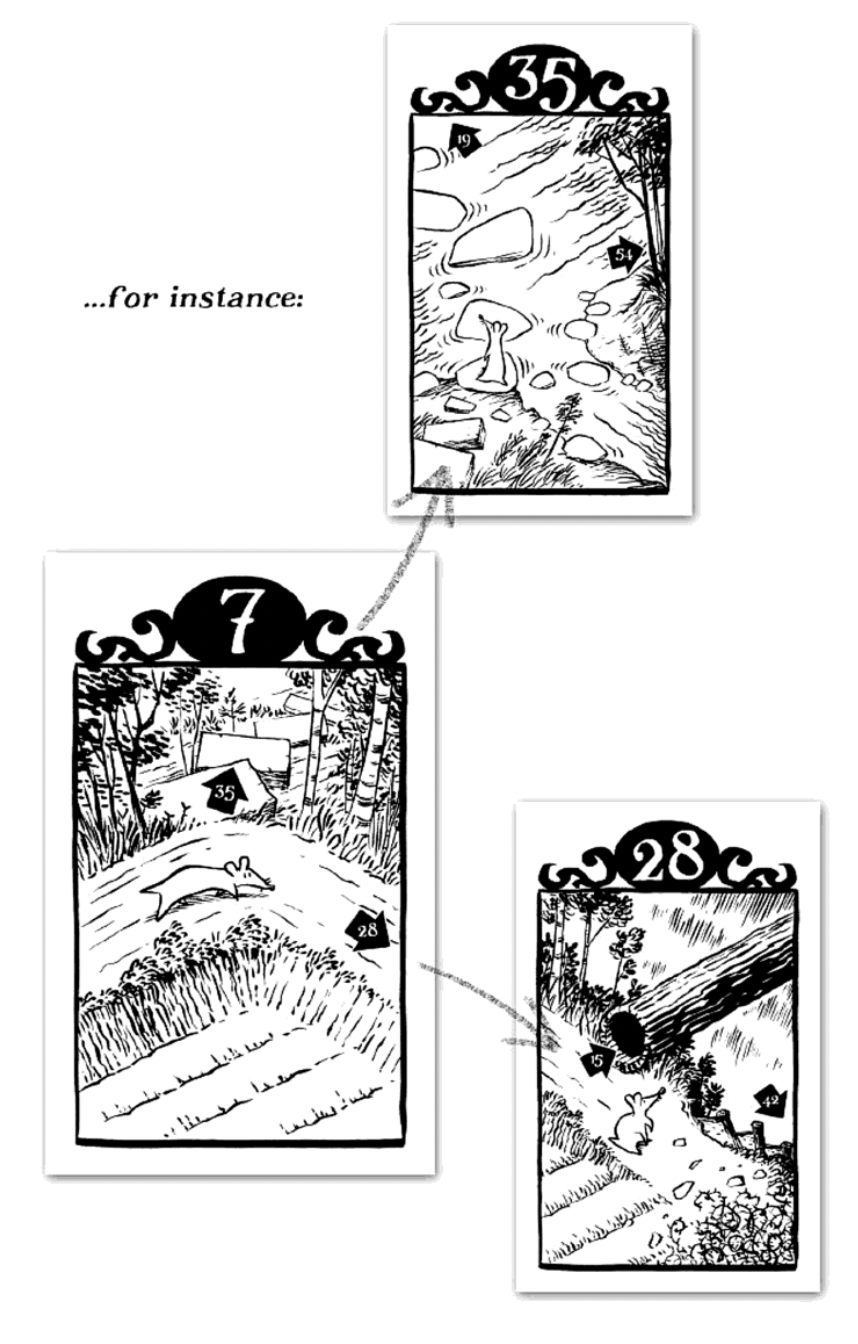
What's fascinating is how Shelby has avoided the ongoing passage arms race seen in text-only gamebooks. A rediscovered classic of the genre like Heart of Ice (1993) had 455 passages. Breakthrough new titles like 2017's Rider of the Black Sun has 1,405 passages. More choice equals better, right? Shelby is 64 pages with instructions. The second book is 126 pages with instructions and multiple mini-games.
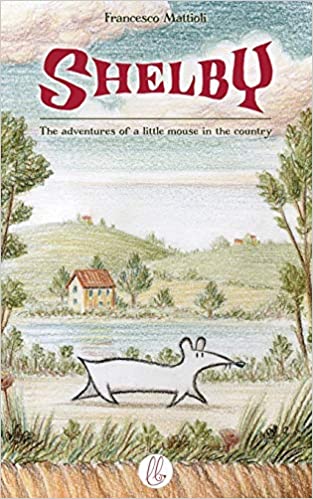
"Shelby: The adventures of a little mouse in the country" tasks you with helping Shelby find her home. The mouse is cute. Bad things abound. He can often come to surreal, silly, shocking, or scary ends.
The book's structure is very well-handled in that many paths lead to Shelby's home. His home is also in a tree, filled with his family, which is an extra delight to little ones reading.
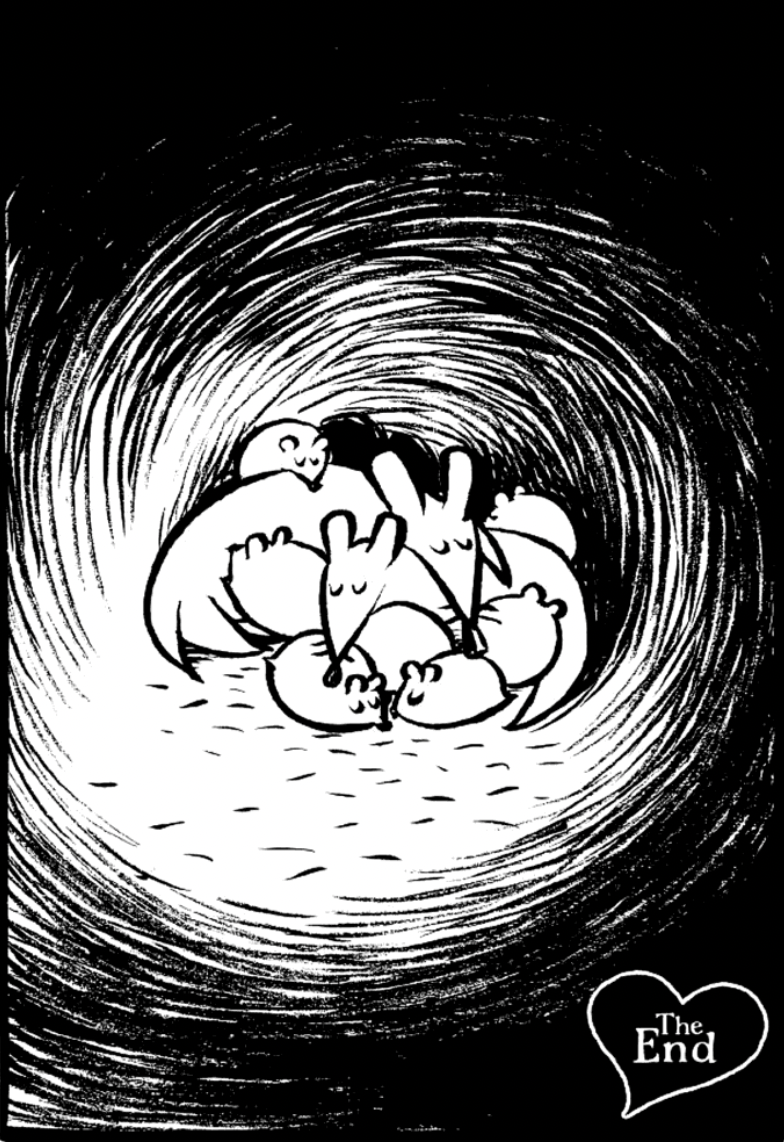
Note: there are a few endings where Shelby will not make it. She is not harmed on the page, but the picture will imply what happens next. An ominous owl swooping down, for example. If you don't want to have the "all things end" conversation I can understand you preferring to avoid this book. But I found the approach refreshing, as it was a conversation point to what life is like for wild animals.
Inexplicably lost in the wilderness, you can piece together a backstory if you pay close attention. The pieces indicate that Shelby was in a lab, escaped, and is searching for his new home. But I say indicate because it took a few reads to get this perspective, which is where I will stop and rant on why this matters.
Video games do many things well. One thing they do better than any other medium is environmental storytelling. Find a skeleton in a bathtub with a toaster? Did you enter the room with birthday hats and a half-eaten cake? Did the secret symbol on the wall have a hidden meaning? When done well, these quiet moments are like a gut punch.
I find the term environmental storytelling to be a misnomer. These moments aren't stories. Heck, these are barely anecdotes. The reason they work is that they are contextual amplifiers. They take a dull space and give it hidden meaning through minimal effort. The magic occurs inside the reader's mind, using knowledge about a world to better interpret its meaning.
Gamebooks rarely explore environmental storytelling. They would often rather dedicate copy to more passages to fuel the arms race. When they do emphasize environmental features they can lack the subtlety required to have impact. By leaving the info dumps behind, the minimal story in Shelby is a surprise to uncover, not a motivation to stomach.
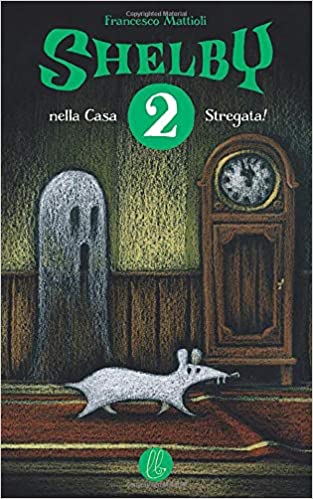
Shelby has a level of nuance that is rarely seen in gamebooks. Take this sequence from "Shelby nella casa stregata", which translates to "Shelby in a haunted house". Shelby explores a haunted house in a classic dungeon-crawling style escape room. When you enter, there is a prominent statue in the hallway.
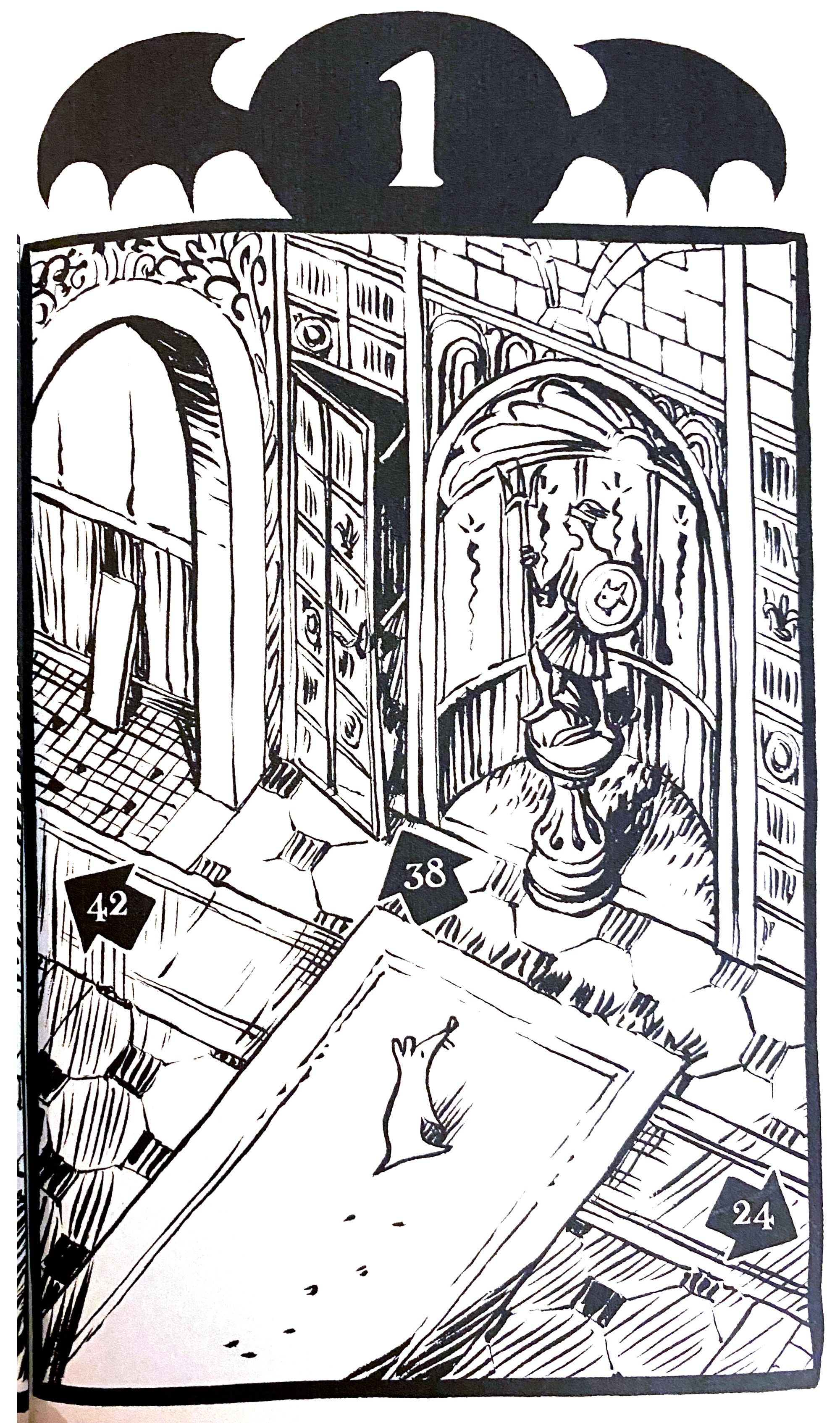
But when you return, it changes.
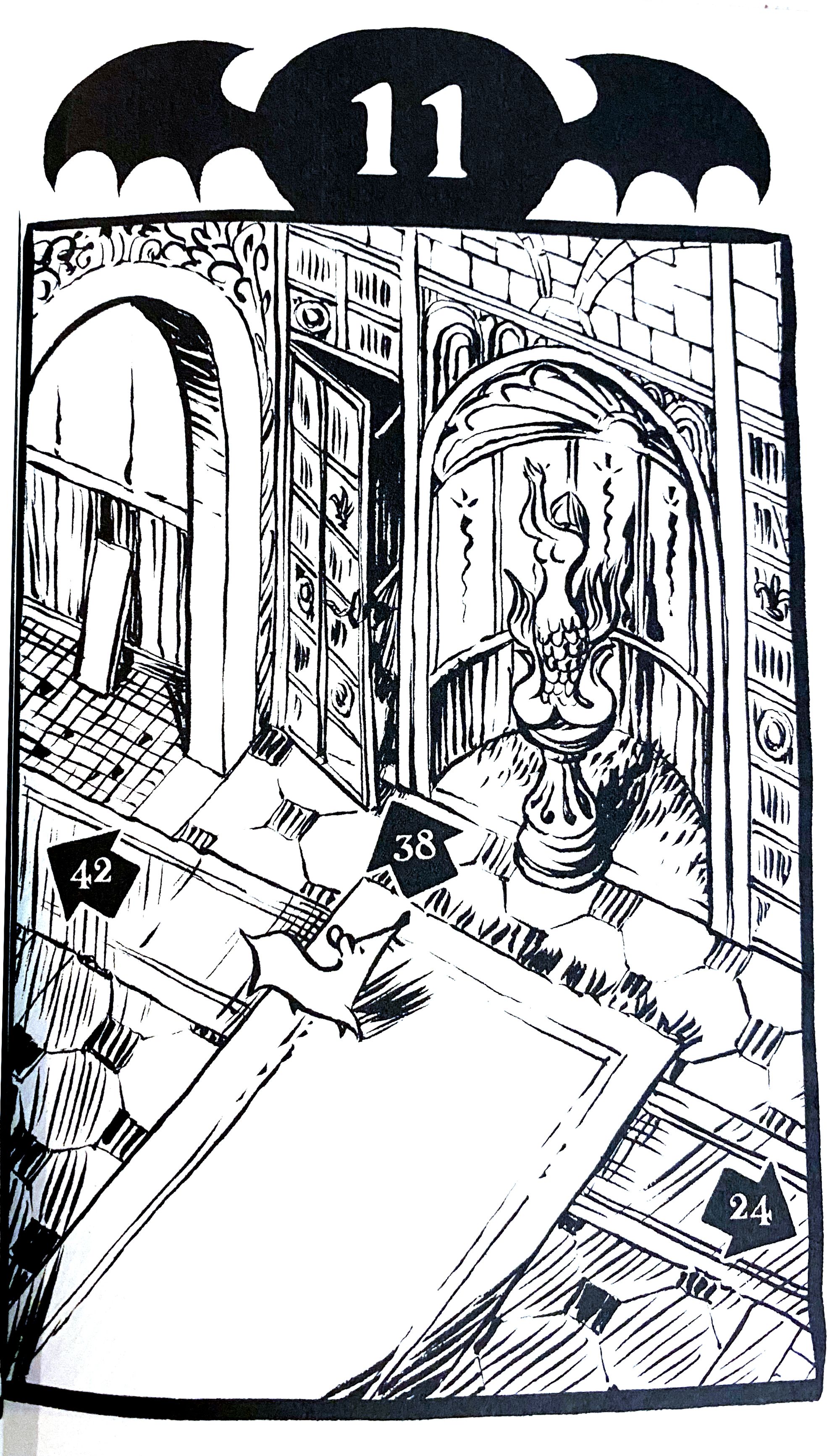
Then again.
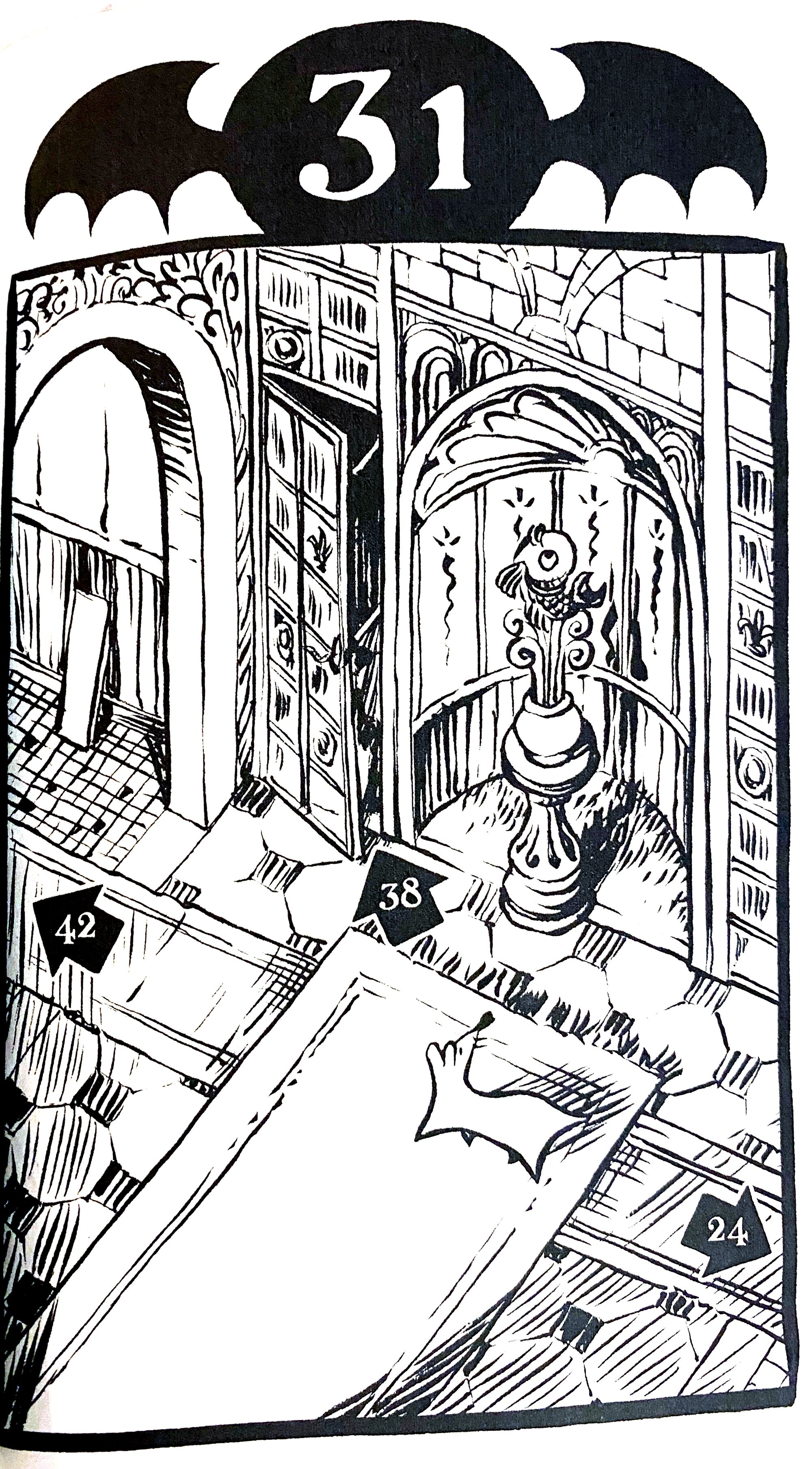
And later, it changes once more.
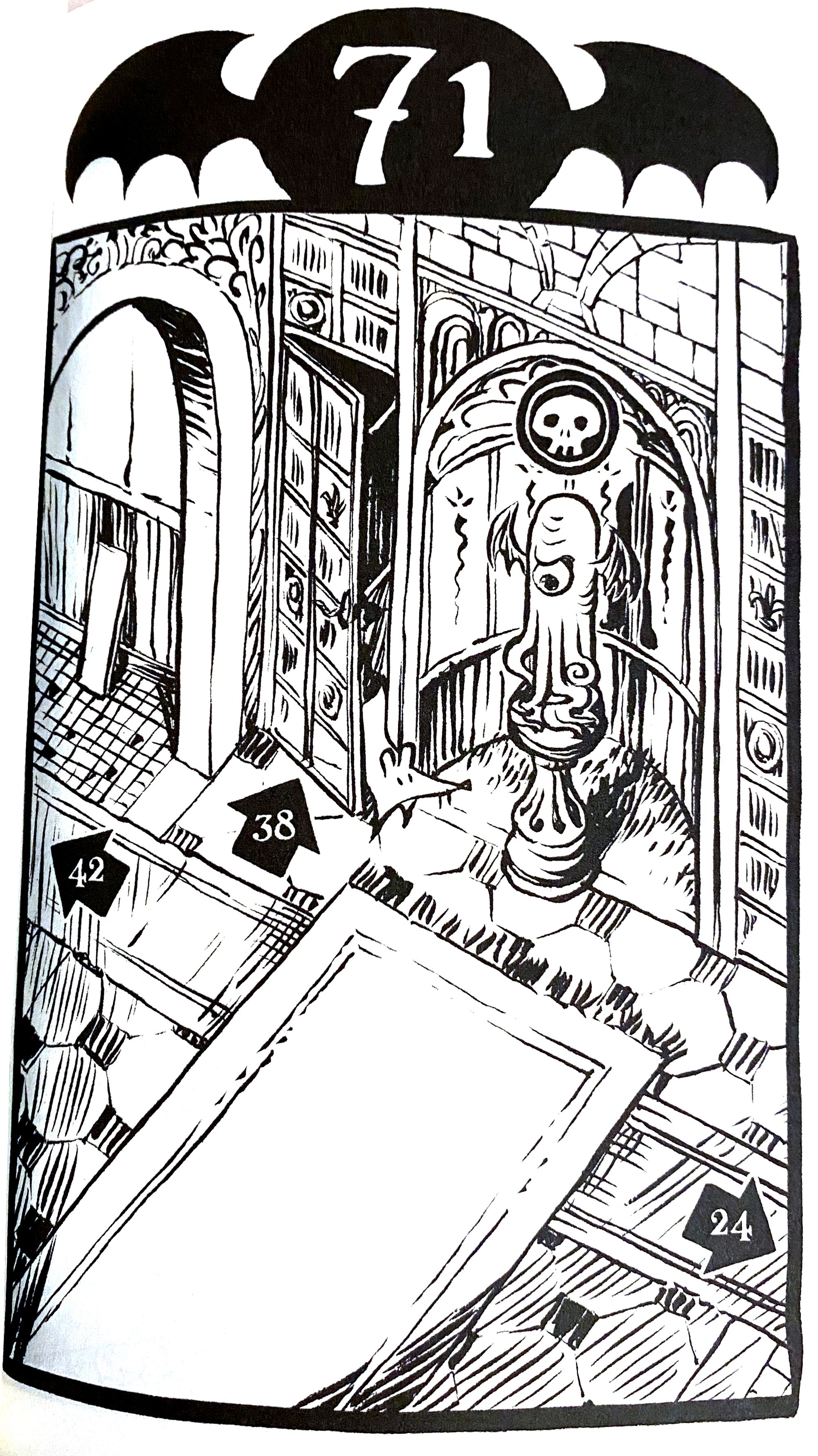
It is a classic visual gag, but one that I've never seen in a gamebook, let alone a visual gamebook. And while you might laugh at this once, this same idea occurs at a half dozen places times throughout the book, each escalating the tension and Shelby's reaction. Had I not sat down and looked for them I would never have noticed the complexity involved in seemingly benign hallways.
What is most interesting is that these pages don't have story weight, only existing to show Shelby leaving from a specific doorway. The non-linearity of this presents a problem: how can you tell a joke when all options are available at start? This is why the statue transforms between states of warrior lady > mermaid > fish > Gorgon/Chthulu. For those paying attention, the gag works if you see two or all items in any order.
Another gag has Shelby investigating a room. You have the option to peek under the bed. As the tension mounts, you look under to find...
Nothing.
Relieved you return to the room.
Shelby is prioritizing moments of delight. Many creators would have tried to cram in more choices, yet Mattioli knows that less is more.
There are also small details that only someone obsessive (*gulp*) would find. For example, off in a lonely corner of the mansion is a friendly ghost singing a number song which appears to be meaningless gibberish. Yet, these numbers are the three only paths which allow Shelby to escape. The ghost is helping you!
Speaking of escaping, let's look at the very messy flowchart of this book below.
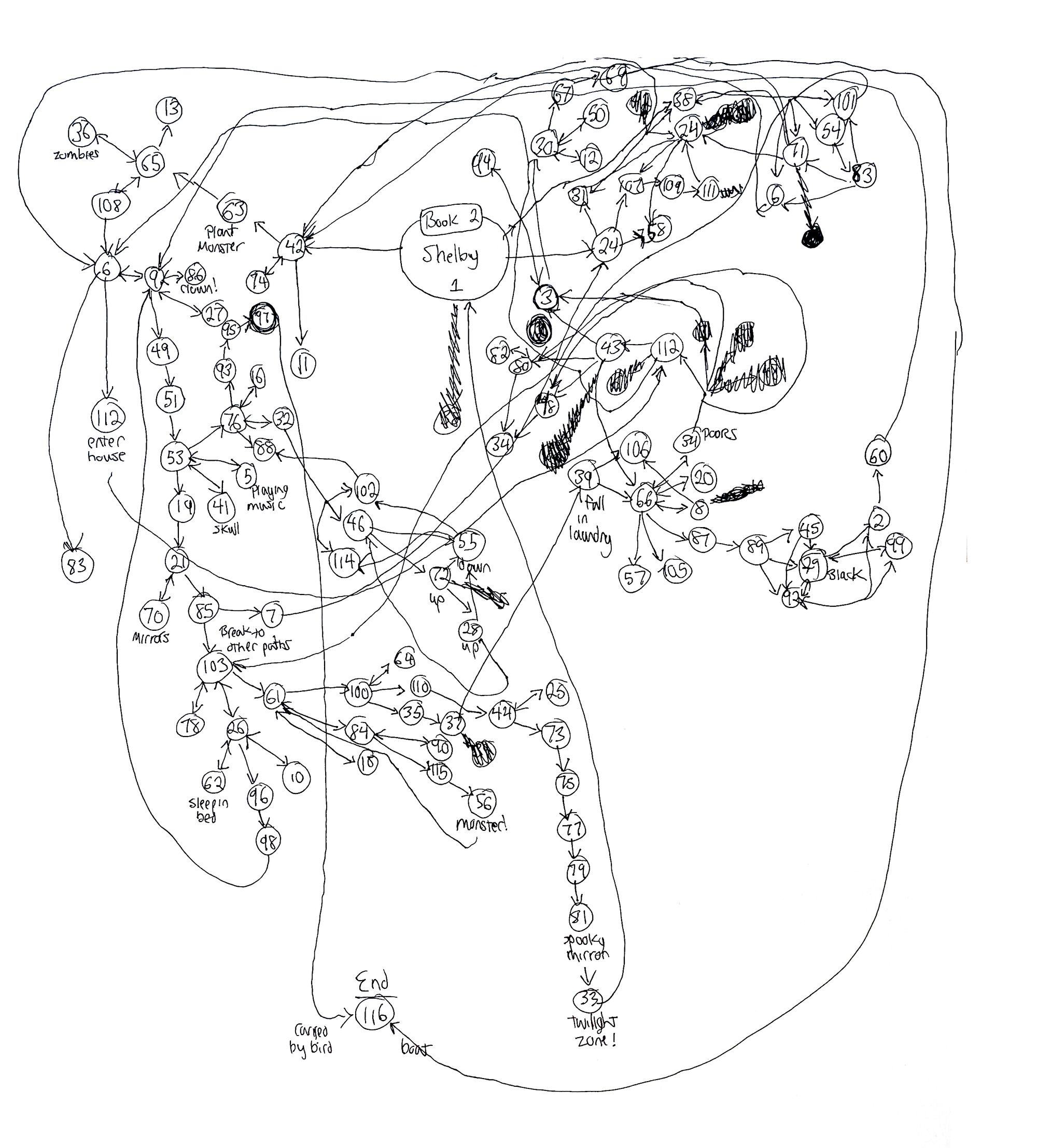
Book one was a simple branching story. Book two doubled the size and got clever with repeating pages and multiple paths to the end. Book three gets even more ambitious by changing genres.
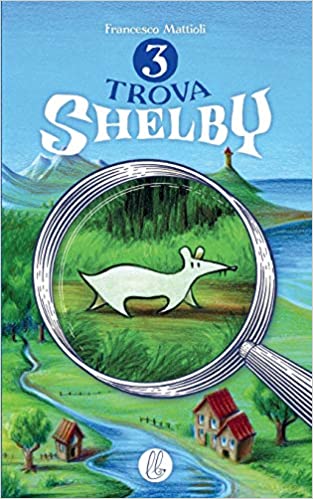
"Trova Shelby" means "Find Shelby". In this book you have to...you know. But it turns out I'd become cocky in my ability to interpret Italian by this point, thinking it meant "Travel Shelby". Sigh.
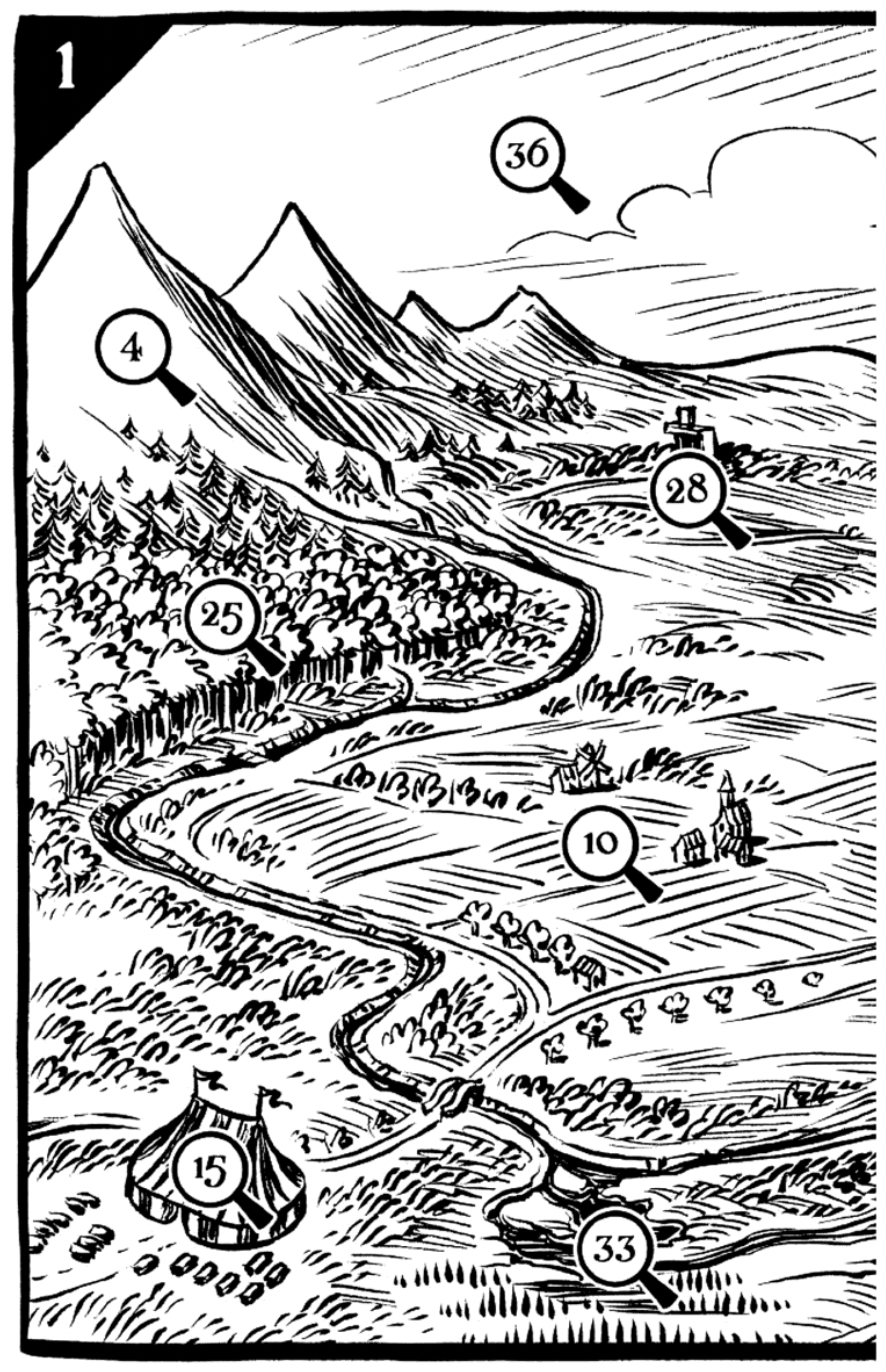
When you understand the first word on the cover, this adventure still has secrets in store. This is not a dungeon crawler or a "Where's Waldo" clone. Instead, it is a branching path gamebook without sharp endings, each branched path leading to a unique character in this world. Think Powers of Ten meets Pokemon. It will make you walk these paths, up and down across the universe, until you find one tiny mouse. As an adult, this concept makes me less enthusiastic, but my little one blasted through the funny ideas, not concerned that they never actually found Shelby.
"Find Shelby" is filled with references to the other books in the series. The world. The characters. Their backstories. Again, at this point in the series, we have seen around 180 pictures, so the fact that we're able to draw connections is anything is a bit of magic.
Once you find Shelby, you're in for a treat. Shelby needs to find his partner, Priscilla. Then their seven children. Then their home. And it is all handled in a clever, surprising way that escalates the urgency as you go.
Here is the flowchart of "Trova Shelby":
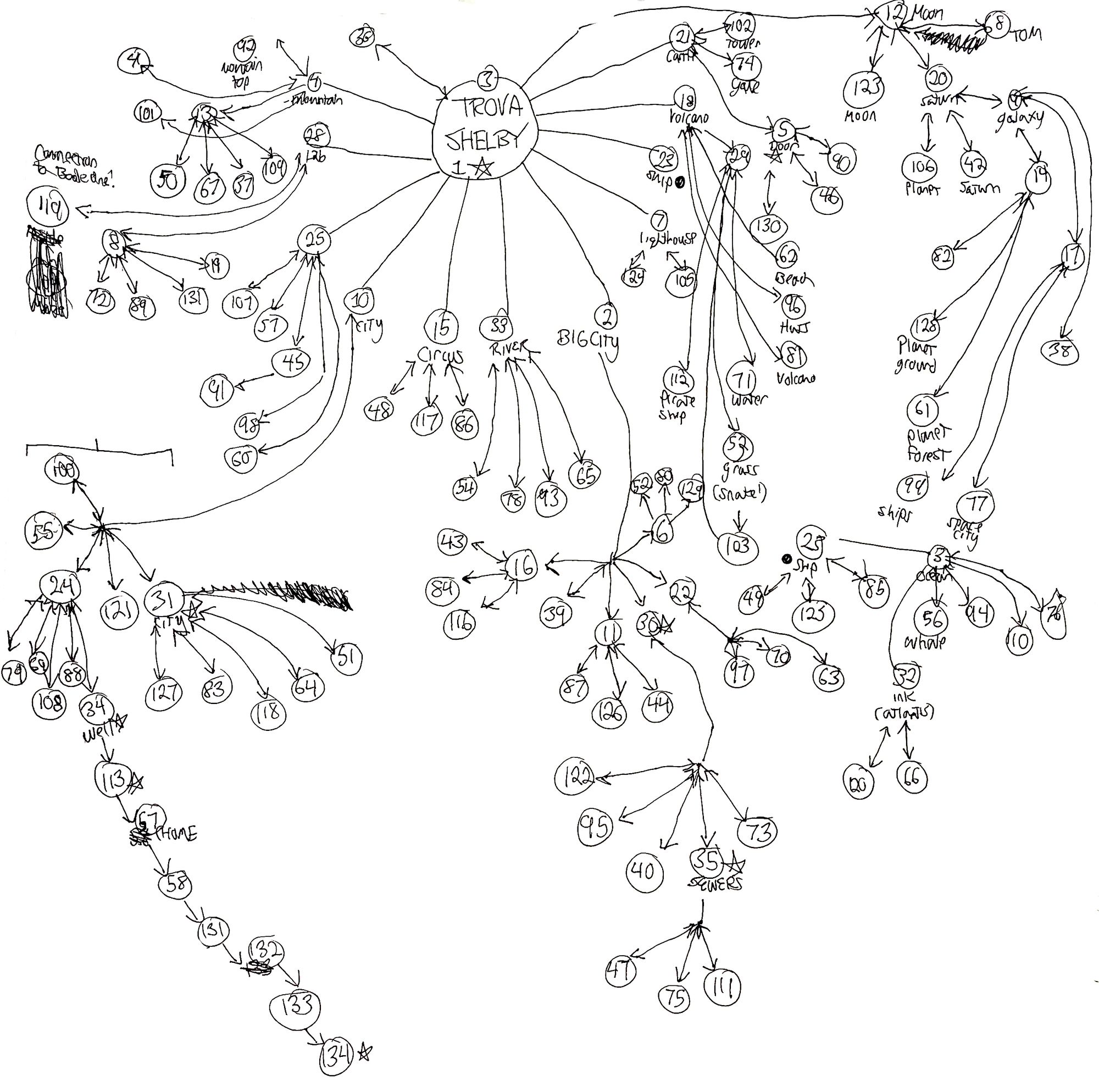
Beyond the nonlinear structure, what is noteworthy here is that it uses contextual amplifiers to add hidden meaning.
If you have read the previous books, you can find Shelby in a special place. Your previous adventures give you a knowledge advantage.
If you have found Shelby and are looking for the rest of the family, you have secret knowledge: adding +1 to any page number of a found family member will continue your adventure. You must know both their names and the secret +1 trick to make this work.
I hope to someday brainstorm about the different levels of gamebook complexity. The Shelby series is a perfect example of two unique types. Book one and two are simple state machines, where you move Shelby through a maze of paths to find a goal. Book three is different though. By asking the player to hold onto names and add a page the book has turned into a paper computer, where you the memory. This distinction may seem blurry, but it opens up many possibilities because the book can react more directly to your choices and progress.
And while these may sound simple, using this information feels like a superpower. Establishing rules, and then after discovering Shelby, the glimmer of realization that you can bend these rules is joyful.
Book four is likely the most unlike the previous in that it is a fully-fledged two-player, paper-based fighting game. Seriously!
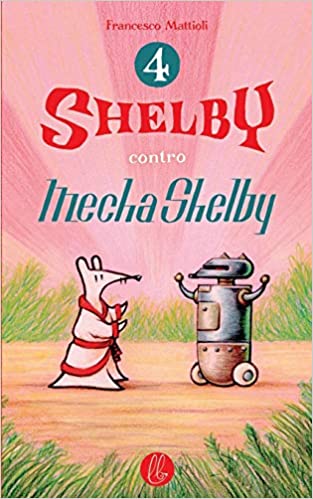
Shelby the mouse fights a robot Shelby with slapstick two-player antics. The title is "Shelby contro Mecha Shelby" which translates to "Shelby vs mecha shelby". Back to 64 pages, we have a focused exercise in exploring something quite rare in gamebooks: multiplayer.
Unfortunately, this is where my "expert" Italian has hit a wall. Even using Google Translate, the rules are much more in-depth than previous titles. It may have also not helped to try and play the robot fighting game with a four-year-old. But I think this title underlines the comfort of the medium combined with the ambition on display here.
And before you decry the violence of forcing two animals into a cage match, robot Shelby is not nice. By the end, both creatures solve the problem by hugging it out. Friendship!
I can't praise these titles enough.
The Shelby series deserves a broader audience, especially here in the states. They also deserve more recognition amongst gamebook aficionados.
No, you will not become a master wizard saving the world with a fortunate dice roll. But you will softly meander through a cartoon universe that is no less clever or rewarding in its own internal logical consistency. They are not tales of "you the great hero", but of "you the beautiful heart".
Shelby the mouse titles are (mostly) wordless masterpieces created to bring smiles to anyone with an open mind, regardless of age. When immersed in these worlds flashes of the all-time greats come to mind: George Herriman, Charles Schulz, Bill Watterson, Chris Ware, and Mo Willems. If you were to place them in a time capsule for 100 years little kids would find them as mesmerizing then as they do today. Their voice is timeless.